
Hang On Tightly, Let Go Lightly: Lessons in Analytics and Human Judgment from the VTXL
Thought Leadership
Data & Analytics
|October 19, 2026
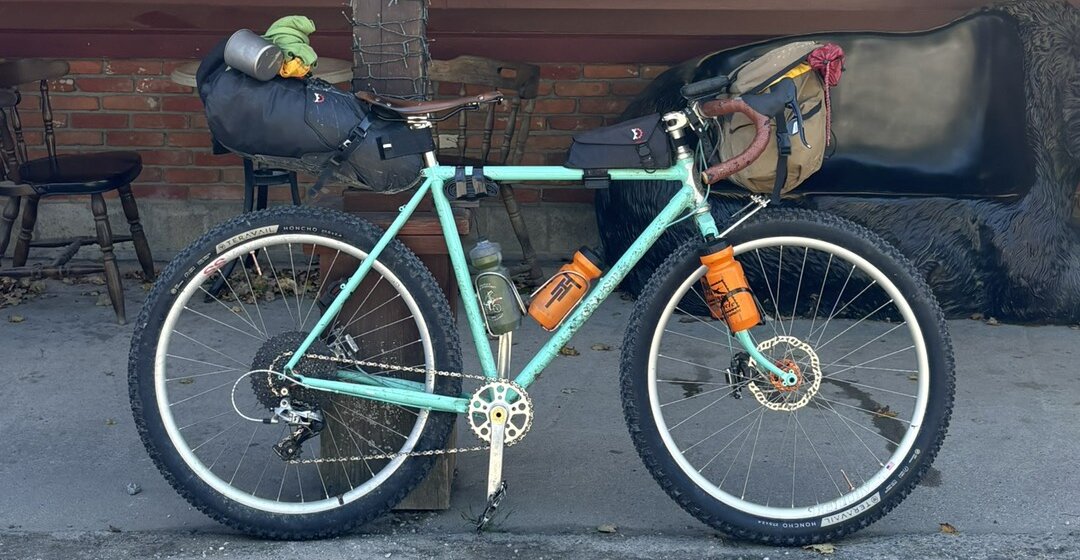
It’s 5 a.m. I’m locked in a standoff with a mastiff on a country road, running on three hours of sleep after a skunk tried to claw into my tent. I’m wondering how I ended up here. Was this a bad day or a bad plan?
There are only a few reasons why a cyclist would strap camping gear to a bike and end up in rural Vermont. If you consider pushing your physical and mental capabilities to the outer bounds “PTO”, there’s the VTLX. It’s a gravel cycling route across Vermont, created for punishment.
As an analyst, it all started with a dashboard:
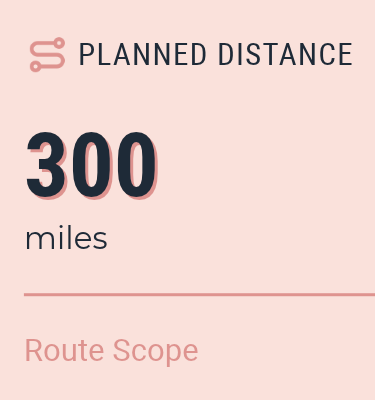
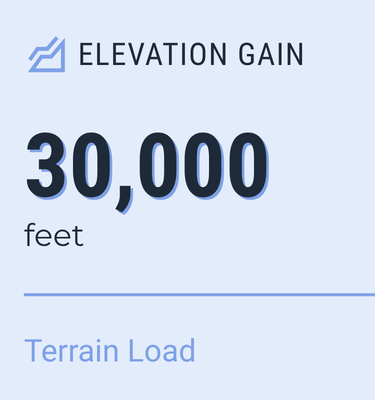
I treated this ride the way I’d approach any client relationship: with a clear understanding of the goal, the development of capabilities, lessons from the past, and KPIs to guide the way. Success was completion; each day was a checkpoint, and average speed was my benchmark. I researched the route and built the best model I could with the data available to me. Of course, all models contain assumptions. But for our best-laid plans, how do we know when to hold ’em and when to leave?
When you can’t see the forest for the trees, the problem is often the grain. It would be a mistake to roll up 80 miles with 11,000 feet of elevation gain as one day, especially when you gain 1,000 feet in the first seven miles. Just as identically named metrics vary across marketing platforms, not every mile measures the same effort.
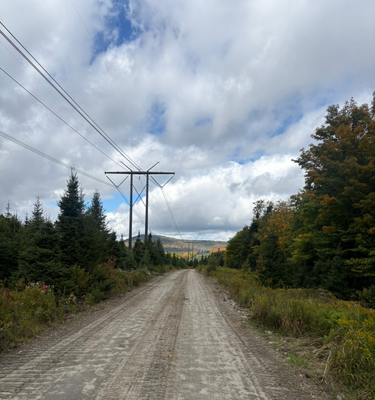
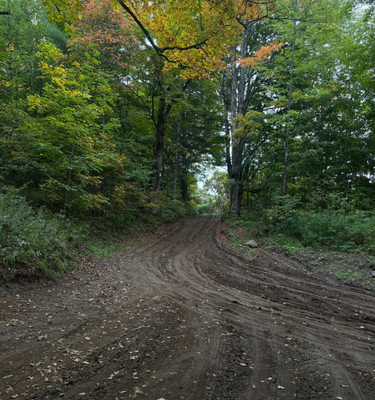
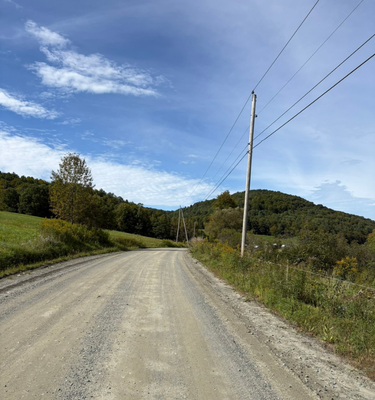
So, I split the view to better understand the terrain. When a skunk forced me out of my tent at 1 a.m., with a dead power bank, I needed to know if I could reach the West Topsham General Store when it opened at 8. Water, calories, and ad spend are all relative. How do I know if I’m going to make it? Will glancing at my Garmin minute by minute or at my dashboard day by day guide me to success? Definitely not. I learned not to trust my feelings during the first few hours of each day. It’s okay to have doubts but let the moment pass. We’re playing the long game after all. The same goes for marketing performance. Expertise comes from lived experience. Yes, I’ll climb a mountain on a road made of sand for two hours, but I’ll bomb the other side at 42 mph and more than make up the lost time. It’s a delicate balance of knowing when to close the gap or change plans entirely.
It was Day 3 when I’d been riding for 12 hours straight after almost no sleep. I knew I wouldn’t complete the route in five days. A cyclist, like an analyst, must be nimble: adjusting to changing conditions and new data while accounting for exogenous shocks such as tariffs, consumer sentiment, bears, skunks, and territorial dogs. Trust, but verify: actual versus predicted. Deviations are unavoidable, but an appropriate cadence of evaluation will keep the goal in sight. It’s in the field that better evidence produces a better plan.
For me, the ethos of the road is alive and well here at mostlyHUMAN. Plan carefully. Observe patiently. Interpret honestly. Change deliberately. Keep the goal in sight. We may not be in the big-dog club, but we sure perform with them and are always hungry for a challenge.
Despite all odds, I finished the route. Sounds pretty chill, right?
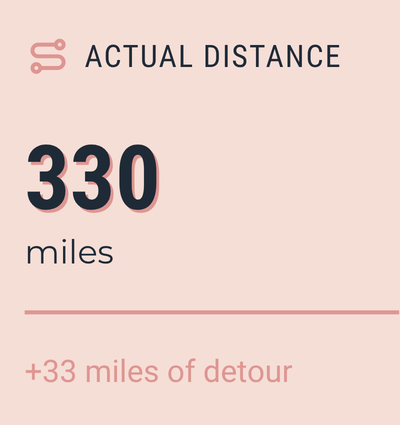
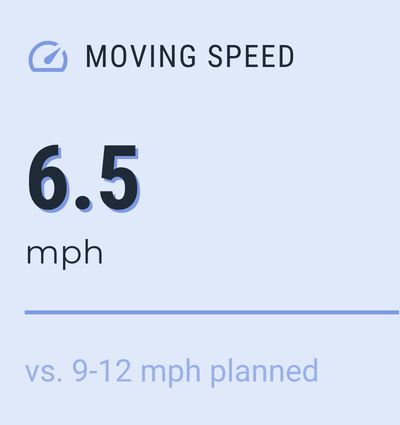
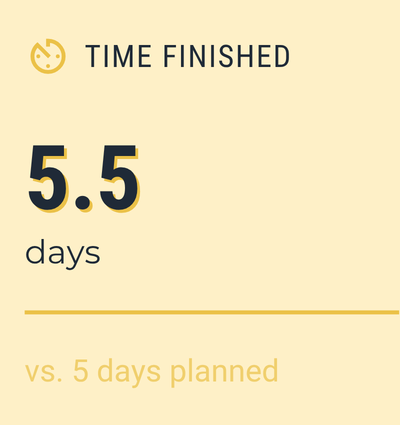
Trust the Model. Watch the Road.

Related Articles

June 10, 2023
Thought Leadership
Entering the Entrepreneur Economy
U.S. new business applications were already on the rise before COVID-19. The upward trend in entrepreneurship has…

June 10, 2023
Thought Leadership
The Learning Stage of the Journey
The Learning Stage of the customer journey is incredibly important for consumers as they begin to shape their brain with new…

June 10, 2023
Thought Leadership
Differentiation in an Ocean of Agencies
There are 66,113 businesses in advertising, PR, and related services in the U.S. You need more than the promise of great…